Showing posts with label persons. Show all posts

Sunday, February 2, 2014

Report from the Tea Trenches: There are Thousands of Others Like You!


Of late, I've been spending a lot of my online time at Steepster, which is basically the tea lover's analogue to some intersection of Fragrantica, Parfumo, and/or Dnotes. I suppose that since there is no content beyond tea profiles and tea tasting notes (reviews--or comments relating to the same author's previous reviews), the closest comparison would be to Parfumo. 

People who love tea convene at Steepster to share their tea experiences. It's quite clear that some members spend the whole day drinking tea, and writing about drinking tea. So that's a bit different from the online perfume community experience, because few people write more than one review a day, and many people write nothing at all--aside from interacting in the forum boards.

Tea lovers, like perfume lovers, enjoy talking about their recent purchases, their struggle to "contain" their collection, and their desire to expand it at the same time. All of these dynamics are quite familiar to those who have fallen into the bottomless vortex of perfume acquisition, with many of us resolving each January to refrain from buying any more bottles until _____________ (fill in the blank). My favorite resolution is to not buy any new bottles until I have reviewed everything in my house--bottle, decant, and sample. I usually make it a month or more before breaking the resolution. I believe that my record may have been 2013, when I recall having lasted at least through the month of March! 

One relevant difference in this regard between these two obsessions is that tea costs a lot less than perfume and can be consumed several times a day--or all day long! Perfume, on the other hand, is generally worn for several hours, which means that even very prolific reviewers don't write about several different perfumes in a single day. With all of the aromachemicals swirling about in the air these days, that might not even be safe!

What are the other differences between "fumeheads" and "students of tea"? One may be that people who write about their tea experience do not appear to be advocating for the tea. I suppose that one could consider raves to be a form of exhortation and negative remarks a form of dissuasion. But more than anything, people who write about tea seem to be simply sharing their personal experience with a particular brand, style, and harvest of tea. Some people prefer blends; others prefer single-origin leaves. 

There are five major families of tea: black, oolong, green, white, and pu-erh, and different people tend to greatly prefer some of these over others. (In China, yellow tea is considered a sixth major category, but I have never tried it!) Some people prefer herbal infusions, which are not really "tea" at all, for they contain nothing derived from the tea plant, camellia sinensis. In navigating one's way through the vast and kaleidoscopic world of tea and tea-like brews, subjectivity is key: something not to be overcome but to be celebrated. 


No one seems to have any problem with a person who finds jasmine or oolong teas headache-inducing, for example. We are different people, and different people like different things, including different types of tea, in large part as a result of not only physiological factors, but also cultural habits acquired over time. Sencha is the number one tea in Japan. In Argentina, the "national infusion" (defined by law!) is maté. Is one of these beverages better than the other? In a referendum, the Japanese might insist that sencha is superior, but Argentinians would certainly demur!

There are groups of tea lovers who all seem to be patronizing certain very popular tea emporia, many of which would be absolutely unknown to the average person. There are also "controversial" tea providers--above all, Teavana--whose business practices elicit anger and denunciations reminiscent of some of the vitriol slung by perfumistas at houses such as Bond no 9, Creed, and Montale, among others which are beloved by many but scorned by others. In these and many other ways, the social world of tea and the social world of perfume seem to have many parallels.

There are many different levels, qualities, and kinds of tea within each family--indeed, more than there are of all perfumes taken together! People tend to like or dislike certain "genres", just as with perfume. In Japan, there are undoubtedly imbibers of maté (an herbal infusion packing a major punch of caffeine), and in Argentina, there are undoubtedly people who prefer sencha (a green tea with a clean, vegetal taste). 

Some tea drinkers add sugar or honey and cream or lemon to their brew; others regard such "adulteration" as akin to an act of desecration! In all of these matters of taste, the cultural milieu in which we are raised affects us without fully determining our preferences. How else could I, sherapop, who grew up in a perfume-free home, have become so obsessed with perfume? Why am I, sherapop, the only person in my family who even knows what bancha and pu-erh are?

In the school of hot cups, I have found less snobbery and less tendency to indulge in hype as a way of justifying one's tea preferences than I have sometimes witnessed in the spaces frequented by perfumistas. I believe that this may have something to do with the difference in price between fine tea and most niche perfume. If an ordinary (working) person drops $300 on a 50ml bottle of perfume, it had better be good. Very good. 

For the last couple of months, I have purchased little perfume and a ton of tea. Yet each order of tea, often containing up to a dozen--or more!--different varieties ends up costing less than a single bottle of perfume. It occurred to me that since tea is an intrinsically rich olfactory experience, in addition to being a healthy habit, given that the body and mind function best when well-hydrated, more perfumistas should perhaps look to the opportunity for olfactory enrichment readily available to them in what looks from afar to be a modest and mundane cup of tea. 

In truth, once one cuts through the packaging and perfume marketing hype, looking for the olfactory experience within the genie bottle--not the seduction of associating with the sorts of people who use, advocate, and advertise perfume--it becomes obvious that the sniffing in one case (the fumes emanating off the surface of a cup of tea or from a packet of dried leaves) is not really any different than it is in the other (the fumes wafting off one's neck or wrist--or ankles!). 

In fact, my fragrant friends, I have discovered that many of the most annoying aspects of the perfume industry in the twenty-first century--including the removal of natural substances from perfumes and the increasingly abstract and synthetic compositions being fobbed off in kitschy bottles as fine fragrances in their stead--are altogether absent from the world of tea. 

I exhort you, therefore, to consider expanding your olfactory horizons by opening the door to the multifaceted universe of tea, not only for the potable pleasure which it affords, not only for the health benefits which it brings, but also because of the olfactory adventures which await you in the exquisite range of teas carefully cultivated, harvested, roasted, steamed, dried, and blended in endless ways to produce a near infinity of flavors and scents all beckoning you to enjoy!


Sunday, June 9, 2013

El perfume no te salvará—Ni siquiera un perfume de violetas...


Muchisísimas Gracias 
a Gabriela Cortés por esta traducción de mi ensayo en inglés,  


Reflexiones sobre

Nadie te oye: Perfume de Violetas (2001), 

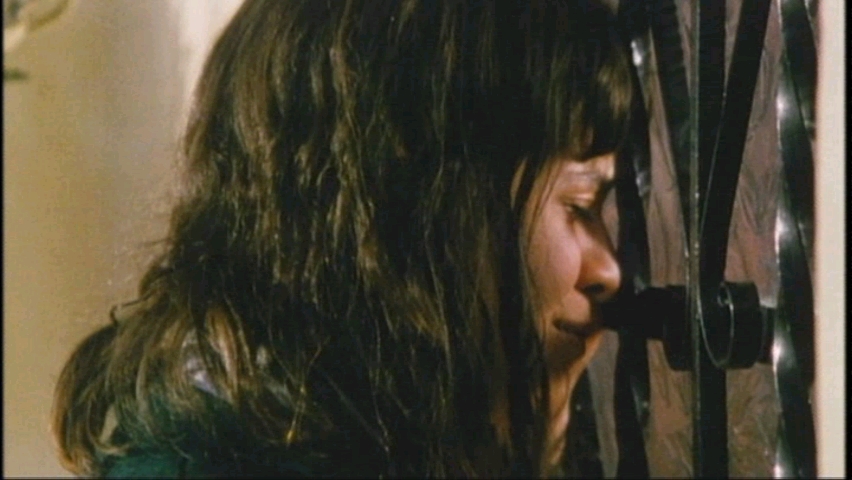
  un filme de Maryse Sistach*


  La Historia

Perfume de Violetas está ambientada en la actual Ciudad de México en donde dos chicas adolescentes, Yessica y Miriam se vuelven amigas en cuanto Yessica llega a su nueva escuela. Ella había sido expulsada de su escuela anterior debido a mala conducta. Yessica es una chica decidida, pero sus conflictos con la autoridad parecen surgir con bastante frecuencia debido a un exceso de energía, además de su rechazo a someterse dócilmente a sus abusadores.

Yessica es una chica sensible con una gran alegría por vivir y esto es evidente en su amistad con Miriam. Lo primero que Yessica nota en cuanto se sienta en la silla detrás de Miriam es que su largo cabello negro huele maravillosamente bien. Ella admira a Miriam desde el momento en que se conocen y de ahí en adelante se convierten en mejores amigas.


Yessica vive en un sector pobre de la Ciudad de México, tan pobre que las puertas de su casa que se encuentran por debajo del nivel de la calle son solamente cortinas, una clara indicación de que su familia no posee nada de valor para proteger del robo. Su madre trabaja muy duro lavando ropa ajena y cuando Yessica está en casa, también tiene que trabajar, ya sea lavando ropa o trastes o cuidando a los hijos más pequeños de su madre. Su padrastro y su hermanastro son los estereotípicos machos latinos y ambos parecen apreciar muy poco a Yessica o a su madre.

Mientras la amistad entre Yessica y Miriam se va desarrollando, la diferencia de clases entre las dos chicas se vuelve más gráfica. Miriam vive en un departamento de dos pisos con ventanas y puertas protegidas con barrotes—algo usual en los vecindarios de clase media en Latinoamérica. Al principio, todos los barrotes pueden llegar a impactar a los visitantes de países prósperos donde el nivel de seguridad en general no requiere de tales medidas. En los vecindarios de clase media alta en Latinoamérica, hay guardias de seguridad vigilando en las esquinas y en áreas de mucha afluencia y también es común que vigilen cada casa individualmente.

El estándar de vida de Miriam podría considerarse parecido al de los trabajadores pobres de los Estados Unidos, ya que su madre tiene largas jornadas de trabajo vendiendo zapatos en tiendas como Payless, sin embargo desde la perspectiva de Yessica, Miriam vive en el lujo.


La primera vez que la chica va a la casa de Miriam, Yessica admira la opulencia de tales "lujos" como un refrigerador y una tina de baño. Las dos chicas se dan el gusto de bañarse juntas, jugando con burbujas y pasando tiempo juntas. Además de tener en común el amor al maquillaje y al perfume, Miriam y Yessica sienten una conexión por el hecho de que ninguna de las dos conoció a su padre, siendo las dos hijas de madres solteras, aunque la madre de Yessica se haya vuelto a casar.


 Mientras se va desarrollando su amistad, el aroma de las violetas se vuelve un vínculo que las une. Miriam le lleva una barra de jabón a la escuela a Yessica para que lo huela, confirmando que es el mismo aroma que ella olió en su cabello el día en que se conocieron.

En la casa de Miriam, Yessica constantemente está rociándose con los atomizadores que encuentra. Parecen perfumes baratos o rocíos corporales de perfumes que se venden en farmacias, pero para Yessica son un néctar de los dioses. Las chicas también juegan con maquillaje y bailan cuando están juntas en la escuela, pero la historia toma un giro inesperado y negativo un día en el que Yessica va caminando sola de regreso a su casa después de haber ido a casa de Miriam.
 

Esta escena desgarradora en la que Yessica es brutalmente violada, fue presagiada por conflictos anteriores. Al principio, las chicas se resistieron a las insinuaciones del hermanastro de Yessica y de su amigo, un chofer de autobús. Además, Yessica y su hermanastro están en constante conflicto en casa, sumergidos en una implacable lucha de poderes.


De forma escandalosa, el chofer del autobús sorprende a la chica cuando va caminando por la calle y la obliga a subir al autobús que se encuentra estacionado en un terreno baldío. Mientras tanto, el hermanastro de Yessica se sienta afuera del autobús para vigilar que nadie se acerque y se percate de lo que está sucediendo.

La violación deja a Yessica muy lastimada. Cuando regresa a la escuela, otros estudiantes se dan cuenta de la mancha de sangre en la parte de atrás de su falda durante la clase de deportes. La maestra la lleva a la oficina de la directora, en donde la regañan ambas mujeres y Yessica es incapaz de explicarles lo que acaba de ocurrirle. La directora se parece de forma escalofriante a Condoleezza Rice, recordándonos aquella frase que dijo: "No queremos que la evidencia irrefutable sea un hongo nuclear" y se comporta de manera hostil, abusando verbalmente de Yessica y lastimándola todavía más.

A pesar de todo lo que le ha sucedido, Yessica se tranquiliza y sigue adelante, negándose a permitir que la intimiden.

Pero la violación le ha 
pasado factura a la chica y cuando va con su novio a La Fuente, una especie de mirador donde las parejas se reúnen para pasar tiempo a solas, ella lo empujabruscamente cuando él intenta tocarla. Ella salta y corre, dejando atrás al chico que se queda confundido con el comportamiento de la chica. Claro que todo tiene sentido,tomando en cuenta lo que le ha pasado recientemente.


Miriam y Yessica continúan pasando tiempo juntas y un día que están viendo ligas para el cabello en un quiosco, Yessica roba una pequeña botella de perfume de violetas al que no puede resistirse. La chica corre con la botella, dejando atrás a Miriam, quien tiene que enfrentarse a la ira de la dueña de la tienda.


Miriam paga por el perfume y queda en estado de shock al ver que su mejor amiga fue capaz de hacerle tal cosa, va a la tienda donde trabaja su madre y le cuenta lo que sucedió.

La madre de Miriam ya estaba preocupada por la amistad de Miriam y Yessica, ya que anteriormente se dió cuenta entre otras cosas, de que fumaron en el departamento, lo que la enfurece ya que para ella fue muy difícil dejar de fumar.


Después de que su amigo, el chofer del autobús violó a Yessica, su hermanastro a quien el incidente le parece cómico, le advierte que no le diga nada a nadie acerca de lo que sucedió "o si no..." Él acepta el dinero que le da el violador como pago por hacer guardia durante la violación y usa este dinero para comprarse un par de tenis nuevos.


Durante la película, la fascinación que sienten los personajes relativamente pobres con objetos comerciales como objetos del deseo se muestra una y otra vez. Simbólicamente es la madre de Miriam quien le vende los zapatos al joven, ignorando por completo su conexión con Yessica.

La amistad de Miriam y Yessica ha sufrido una ruptura severa debido al robo del perfume de violetas y a la humillación y la vergüenza que esto le provocó a Miriam. Pareciera que no hay manera de reparar el daño, pero Yessica hace un collage de fotografías de ella y de Miriam y regresa a su casa para dárselo, disculpándose por lo que ha sucedido. 


Las chicas sienten alivio al reunirse de nuevo y Miriam desobedece el consejo de su madre de alejarse de Yessica. También le permite entrar a la casa en contra de las órdenes de su madre

En una de estas visitas, Yessica roba un fajo de dinero escondido dentro del joyero de la madre de Yessica, el cual le da a su propia madre, quien se ha quejado en reiteradas ocasiones de sus problemas económicos. El dinero robado son los ahorros de la madre de Miriam para comprar una televisión y cuando descubre que el dinero no está se enfurece. Acusa a Yessica e insiste en que no es solamente una ratera, sino una golfa. Básicamente, su explicación acerca de lo que le sucedió a Yessica (la violación) es que "ella se lo buscó."


Increíblemente, el chofer del autobús y el hermanastro de Yessica la vuelven a interceptar de nuevo para violarla en el autobús (al parecer se trata de violaciones seriales, aunque en la película solamente se muestran dos incidentes explícitos). Esta vez Yessica está aturdida y confundida, encuentra la manera de ir a la casa de Miriam pero no hay nadie.


Todas las puertas y ventanas están cerradas con cadenas y candados para evitar que alguien entre. Cuando comienza a llover, Yessica se esconde bajo la escalera y se queda dormida.

Al día siguiente, Yessica logra llegar a la escuela, donde la madre de Miriam ya ha hablado con la directora acerca de los robos que ha cometido Yessica—el perfume de violetas y el dinero—y mandan llamar a Yessica a la dirección, pero dos de los miembros del personal se percatan de lo que le ha sucedido (sus rodillas tienen moretones y su cuello está sangrando).

Por fin alguien en la escuela admite lo que ha sucedido y le dice a Yessica "Nadie tiene el derecho de hacerte eso." Mientras que la chica está en la enfermería de la escuela, Miriam le avienta un avión de papel por la ventana con una nota que dice que se reúnan en el baño.


Yessica va al baño esperando una reunión con su amiga. En vez de eso, Miriam la insulta verbalmente repitiendo las palabras con las que se expresó su madre acerca de Yessica: ¡ratera, traidora, puta! Las dos chicas están muy enojadas y comienzan a pelear, culminando trágicamente en la muerte de Miriam cuando se cae y se golpea la cabeza con la taza del baño.


Yessica se escapa y se dirige a la casa de Miriam donde se acuesta en su cama.

Cuando la madre de Miriam regresa a casa esa noche, encuentra la puerta entreabierta y se preocupa por su hija hasta que ve que su cama está ocupada. Se acuesta al lado de Yessica, quien está completamente cubierta con una cobija en la oscuridad. La madre se siente aliviada de ver que su hija está en casa, sana y salva porque piensa que la persona en la cama es Miriam. La película termina con el teléfono timbrando, es la llamada de alguien en la escuela para darle la noticia acerca de la horrible muerte de su hija.


Discusión

Perfume de Violetas es un filme depresivo y casi nihilista. Ciertamente es un ejemplo extremo del cine negro, si bien se sitúa en la Ciudad de México, donde la corrupción cubre la historia por completo. La única persona entre todos los personajes que es completamente inocente es Miriam, quien muere asesinada como resultado de todas las fuerzas malignas que la rodean.

¿Cómo se hubiera podido prevenir esta tragedia? Tal vez si Yessica hubiera denunciado la primera violación tan pronto como sucedió. No lo hizo porque vivía en una cultura donde se asume que la culpa es de las mujeres quienes deben aceptar cualquier cosa de parte de los hombres. El comportamiento de las mujeres hacia otras mujeres a través de la película nos revela que ellas también han sido infectadas con el insidioso sexismo.

Mi reacción inicial a este filme fue que el final es exagerado e incluso siniestro, estirando nuestra credulidad más allá del punto de ruptura. El desenlace de hecho me recordó mucho al que es probablemente mi filme noir favorito (¡también en centelleante tecnicolor!): Plein Soleil [Purple Noon] (1960), dirigido por René Clément.

El trauma que experimentará la madre de Miriam al darse cuenta que la chica en la cama de su hija no es Miriam, quien de hecho está muerta, es verdaderamente difícil de imaginar.

La película está bien hecha y tiene un buen ritmo, cubriendo una impresionante cantidad de temas en tan solo 90 minutos. Claramente es una producción de bajo presupuesto pero está bien dirigida y las actuaciones también son muy buenas. También quedé impresionada con la ingeniosa selección de música. Mi queja principal acerca del filme fue solamente que la trama es tan terrible que es poco realista. Me quedé en estado de shock al enterarme en IMDB.com (la base de datos de películas en internet) que Perfume de Violetas  está basada en una historia real. Así que aunque la historia sea poco realista, resulta que los eventos que nos presenta realmente sucedieron, lo que hace que sea todavía más horrible.

Perfume de Violetas es una obra importante. Resalta las condiciones de vida de los pobres y de la clase trabajadora en la Ciudad de México y sigue la tradición de los autores de filmes en español como Luis Buñuel, quien durante su estancia en México dirigió Los Olvidados  (1950), un filme crudo en blanco y negro que también trata acerca de la situación apremiante de los pobres en la Ciudad de México pero se trata de gente en peores condiciones que Miriam o Yessica (y sin acceso al conocimiento o a los perfumes). Las Hurdes  (1933), dirigida por Buñuel en España también trata sobre un nivel de pobreza más bajo que el que se presenta en Perfume de Violetas.

En esta película el perfume juega un rol importante. El perfume es lo primero que atrae a Yessica de Miriam—o más bien el aroma de su cabello, que ella se lavaba con jabón de violetas. El perfume sirve como un medio a través de la historia por el cual Yessica escapa de su condición sórdida a un mundo de delicias olfativas.


El perfume representa la promesa y la esperanza. También mitiga el dolor de la chica violada. Después de haber sido violada, Yessica intenta reponerse y se niega a derrumbarse, acercándose al perfume para escapar a un mundo de fantasía en donde la maldad de la gente que la maltrata no existe.


El perfume también sirve como tentación. Yessica roba una pequeña botella de perfume de violetas del quiosco porque lo desea, pero no tiene el dinero para comprárselo. De esta forma, el perfume es una fuente potencial de peligro, ya que provoca que Yessica actúe en formas que afectan lo mejor que ha tenido hasta ahora en su vida: la amistad con una chica tierna y amable que es tan inocente que todavía  no hace distinciones sociales y económicas entre la gente.

Miriam acepta a Yessica como es, sin cuestionarse si ella está "del lado equivocado," por así decirlo. Incluso cuando Yessica lastima a Miriam en varias ocasiones, ella la perdona. Pero al final, no solamente pierde su amistad con ella y es por esto que este fime es tan nihilista. La esperanza y la belleza quedan destruídas, como cuando la madre enojada de Yessica rompe la botella de perfume, tirándolo al suelo en un despliegue de ira sin sentido. Prácticamente a través de esta acción le dice a su hija que no tiene derecho a tener un perfume porque ellos son pobres.

¿Cuál es el punto de este filme, para los perfumistas privilegiados como nosotros para quienes la única preocupación monetaria risible es si podemos comprar el último lanzamiento super nicho? ¿Cómo debemos interpretar esta historia tan perturbadora?

Para ser honesta, a veces me pregunto si no estamos viviendo en una gran burbuja perfumada. Cuando nos quejamos acerca del precio de un perfume o cuando discutimos entre nosotros sobre si la perfumería es un arte, estamos concediéndonos un lujo que está más allá de la realidad de la mayoría de la gente en el planeta y el de algunas personas cuyas condiciones se presentan en este filme que raya en lo obsceno.

A pesar de nuestro elevado estatus socioeconómico—como se puede evidenciar por el hecho de que podemos comprar perfumes y apreciarlos como un pasatiempo—nos parecemos a Yessica en nuestra fascinación con los perfumes. Estamos dispuestos a abstenernos de otras cosas, para poder comprar nuestros perfumes tan codiciados. Pero también hay un mensaje positivo.

Realmente, disfrutamos el perfume precisamente de la misma manera en que Yessica lo hace. El perfume es una fuente de placer para nosotros, como lo es para ella. ¿Importa que describamos esa fuente de placer de una manera u otra? ¿Por qué no podemos simplemente aceptar que el perfume nos produce placer? ¿Por qué tendría que haber algo más acerca de los perfumes? ¿Le tememos a nuestro propio hedonismo?

También a veces me pregunto si la energía dirigida hoy en día a defender la afirmación de que la perfumería es una de las bellas artes, no es desproporcionada en comparación con las consecuencias de tal opinión si se confirmara por unos cuantos de la élite. Obviamente la experiencia del perfume por parte de personas como Miriam y Yessica no cambiaría en lo más mínimo.

¿Cambiaría nuestra propia apreciación del perfume si lo describiéramos en los términos idealistas de alguna teoría difícil de comprender? Yo creo que no. Aún amaríamos a los perfumes precisamente por la misma razón y precisamente de la misma manera en que Yessica lo hace. ¿Por qué? Porque huele bien.


*Advertencia: Si te encuentras entre los millones de personas que están intentando desengancharse de los SSRIs— habiéndose percatado por lo menos de la dolorosa epifanía de que todo fue una trampa compleja concebida para llenar los bolsillos de los directores generales de Pharmafim y al mismo tiempo lograr que te calles—entonces te recomiendo que te mantengas muy alejado de este filme crudo y casi nihilístico.


Saturday, May 4, 2013

Is Mayotte Mahora? First sketch of an outline of a theory of perfume identity


How many times have I heard Guerlain Mahora denounced by perfumistas as an epic failure on the part of the otherwise venerable house of Guerlain? How many of those who parrot this refrain have even experienced the now-discontinued perfume? 

Mahora was launched in 1999 (according to the date on my bottles) but swiftly pulled from the counters and boutiques. How many times have I heard it said that Guerlain Mayotte, launched in 2006, is no more and no less than Mahora? In fact, the claim is frequently made that Mayotte is Mahora, albeit rebottled and sold under a new name, and this appears to be widely accepted as the truth.

Needless to say, the blogosphere- disseminated "factoids" to the effect that, first, Mahora is horrible and, second, Mayotte is Mahora, have left me puzzled and perplexed. I have been known to gush about Mahora, so the first and foremost source of my perplexity inheres in the simple fact that such an excellent perfume should be trashed so volubly by so many people. But there is more to my puzzlement than profound disagreement on a matter of taste. After all, the Mahora haters may well love Insolence, which at least in the eau de toilette form (I've yet to muster up the courage to try the eau de parfum), I find utterly repulsive. If so, then I can remind myself how very subjective perfume perception is, deriving a modicum of solace and comfort once more from the handy adage

One perfumista's treasure is another perfumista's trash.


That little piece of folk wisdom, however, is not enough to dispel the logical quandary posed by the second of the two claims, that Mayotte is in fact Mahora. On the face of it, the claim is preposterous, and I have never believed it to be true. Why? First, because if Mahora was a resounding market flop in part because of its "nasty" scent, then there would be nary a reason for Guerlain to have launched the "disaster" all over again. Would there?

Second, it has been brought to our collective attention that Guerlain has reformulated most if not all of their perfumes. Why would Mahora, even if under a pseudonym, not, too, have been put under the chemist/accountant's knife, all under the pretext of needing to comply with the IFRA?

There are a few possible responses to these concerns, commencing with the most obvious, that when Mahora was launched, Guerlain was still an independent house. Such apparent logical preposterousness would not be precluded in the least by Guerlain's new corporate master, LVMH, which after all is now infamous for having worked wonders for the house of Christian Dior by renaming Miss Dior Chérie as Miss Dior and Miss Dior as Miss Dior L'Originale, sowing confusion far and wide.  LVMH also appears to be responsible for the complete and utter perversion of the once-beautiful Aqua Allegoria line. In the wake of these sorts of wild and wacky business moves, it becomes difficult to insist that relaunching Mahora as Mayotte can only be written off as completely out of the question. Everything is permitted, it seems, chez LVMH, so why not that, too?

After all, it might be thought, or it might have been thought by the marketing gurus at Guerlain under the aegis of LVMH, that Mahora's real problem was her marketing campaign. Perhaps people were put off by the shiny-skinned naked model standing in an exotic scene before what looks to be a volcano in the middle of the desert and channeling perhaps the gods of Indian mythology. But wait, did not Tom Ford put naked flesh to good use in marketing the decidedly unedgy Tom Ford Cologne? 

Details, details. Are they or are they not the same?


The Proof is in the Juice?

Fortunately, there is no need to delve further into the inscrutably labyrinthine strategic cogitations of the marketing team at LVMH. Thanks to my perfume pal Andrew Buck at The Scentrist, who recently gave away a large bottle (125ml) of Mayotte, of which I was the lucky winner, I am able to compare the juice of Mahora to the juice of Mayotte side by side and decide whether or not they are the same. One nose, one set of skin, two bottles of juice. Are they the same?


HRH Emperor Oliver stands by, ready to assist in the definitive sniffing test


Let's begin with the visuals. The juice inside the Mahora and the Mayotte bottles is similarly colored and appears even to have approximately the same viscosity. I had remembered Mahora as having a thicker, more viscous texture, but as I compared the two perfumes, both at eau de parfum concentration, side by side, I recognized that my memory had built up Mahora in my mind as a golden elixir. In fact, it's just as watery looking as Mayotte. So are they then the same? Not so fast. Colored water is sometimes used to fill perfume bottles put on display. We cannot be sure that the juice is the same from the color alone.


The day I received my package from The Scentrist, upon my initial application of Mayotte, I was absolutely convinced that it was nothing like Mahora. In fact, I found Mayotte much closer to Versace Blonde! More animalic, more vague and cloudy, less golden and gleaming and glistening. Still, I could not be sure until comparing the juices side by side.

When I tried that, on a different day, I found that the opening of Mahora and the opening of Mayotte are not all that different, although Mahora does seem more sweet. The real story does not reveal itself until the drydown, when the two perfumes smell nothing alike. Mayotte  turns out to be rather linear, smelling more or less the same from start to finish, with only a diminution in strength until it finally fades away. 

Please rest assured that I sprayed the same amount of these perfumes on (Mahora on the left, Mayotte on the right), so the radical distinction in longevity, sillage, and trajectory cannot be explained away by spritz-versus-dab phenomenology. The Mayotte bottle does not have a sprayer, but I decanted the liquid into a purse spray vessel for the purpose of this comparison.

Mahora, in contrast to Mayotte, grows stronger and more luxuriant as it melds into the skin, which heats up the perfume to create a much bigger sillage than the perfume initially seemed to have. After a couple of hours, there is no comparison to be made whatsoever. At best, Mayotte can be read as a reformulation of Mahora, quite a bit weaker, and much less sweet and intoxicating. Mayotte is a pleasant enough tuberose scent, but it is not Mahora, the complex elixir which I fell in love with at first sniff and which I continue to love still today, long after my esteem for the house of Guerlain has dwindled to nearly nothing. Mahora is the last vestige of a by-gone era.

My conclusion: the two perfumes are not the same. But is my reasoning sound?


What are the criteria for identity in perfumery?

Perfumes, like persons, are rather complex things, ontologically speaking. What makes a perfume a perfume, and how do we decide that it is or is not the same as another? I argued above that Mayotte is not Mahora. The basis of my claim is that the two perfumes smell rather different, especially in the drydown.

It may be objected, however, that Mayotte is closer to Mahora than to any other Guerlain perfume. After all, there is a relative dearth of tuberose in the Guerlain line-up. Rose and vanilla abound, but tuberose? Perhaps that is what everyone who has propelled this falsehood far and wide, faster than the speed of sound and throughout the world wide web, really meant. Perhaps when people say "Mayotte is a relaunch of Mahora," they mean no more and no less than that Mayotte is a lot closer to the discontinued Mahora than it is to any of the extant creations, so it must be a relaunch of the same, more or less. 

Why get bogged down with picayune details? Hardly anyone knows what Mahora smells like anyway, and even fewer want to find out, now that it has been pervasively, and I dare say perniciously, denounced as the worst perfume ever to have been designed by Jean-Paul Guerlain. The received view appears to be that Jean-Paul Guerlain had a very bad nose day when he signed off on Mahora. I respectfully demur from the "conventional wisdom", needless to say.

If purveyors of the received view mean that Mayotte is "more or less" Mahora, then what they are perhaps saying is that Mayotte began in the lab as Mahora but then was reformulated. That would, in fact, make a lot of sense, given that Mahora was a market flop, and Guerlain has in any case reformulated just about everything else.

But if that is what happened, then why claim that Mayotte is Mahora in the first place? How can identifying a recent launch with a previously launched failure help anyone? Oh right, LVMH marches to the beat of their own drummer, which in their case means operating beyond the realm of logic. Has the conglomerate perhaps been infiltrated by spies from the competition, say, Procter & Gamble or Elizabeth Arden or Coty or Estée Lauder? On ne sait jamais...

I strongly suspect that the real reason why this falsehood has gained such traction is simply that the two perfumes do look similar, and they also smell similar in the opening minutes. Anyone who writes a review on the basis of the opening, without waiting around for the lengthy and complex drydown of Mahora—nonexistent for Mayotte—may easily conclude that the two perfumes are "more or less" the same, and depending upon their sensitivity, they may or may not notice the difference in sweetness between the two.

One thing, perhaps the only thing, of which we can be absolutely sure is that Mahora was never reformulated. It was launched and discontinued, thank goodness, I might add, since now when we score a bottle at least we know what's really inside, what certainly cannot be taken for granted in cases such as Shalimar, Samsara, Jicky, Mitsouko, and many other of the classic perfumes from the house of Guerlain.

I have based my judgment that Mayotte is not Mahora on the simplest of evidence: how the liquids in the bottles smell. In reality, perfume identity is not at all dependent upon scent, as odd as that may seem to those who pride themselves on learning as much as they possibly can about perfume. 

Clearly, the formula is not considered an essential part of the perfume. Why? Because countless perfumes bearing the same names have been serially reformulated. The scent of Coty Muguet des Bois has changed, but the name stays the same. The identity criteria are quite different in the case of perfume than they are in virtually any other realm. If a company owns a perfume formula, then they have the right to retain the name and fiddle with formula, and there is nothing that anyone can do about it.

By this logic, the only way that Mayotte could really be Mahora would be if Guerlain had kept the name Mahora and slapped it on the perfume instead of the name Mayotte. The two are not the same because the house says that they are not the same. By using a different name, Guerlain has stipulated that the perfumes are not identical. Mayotte is not a relaunch of Mahora, because only same-named perfumes can be relaunched.

That is all that perfume identity amounts to: the house and the name. No, wait! Even that is too much. Take cases such as Balenciaga Rumba. The formula for Rumba was sold to Ted Lapidus. They proceeded to reformulate the perfume, while still selling it in the same bottle, albeit with the house name Ted Lapidus replacing the house name Balenciaga. This is not a case where a corporate overlord has arrived on the scene to manage the company. No, Balenciaga still exists as a house, and it is not owned by Ted Lapidus. Balenciaga continues to launch new perfumes, but no longer owns Rumba. Balenciaga is owned by Coty, and Ted Lapidus is owned by the Jacques Bogart Group. (As far as I know, Coty does not own the Jacques Bogart Group. Perhaps it's on their future acquisition wish list?)

Yet Rumba continues to be sold as Rumba, despite the fact that Ted Lapidus completely reformulated the perfume, and the bottle emblazoned with the Ted Lapidus label now boasts completely different notes than did the Balenciaga original. This example shows that what matters is who owns the formula for a named perfume. They then own the name, and can at their caprice completely change the formula! Perfume names are no more and no less than brands. If a company decides that it will be more lucrative to completely transform "the product", as they view the matter, then they will. 

Perfumes, from the perspective of business people, are no more and no less than products. Mahora did not sell well, so Mahora was terminated with extreme prejudice. Mahora does not exist anymore, according to Guerlain itself, and for that reason Mayotte is not Mahora. The fact that different recipes were used to produce the two liquids is entirely beside the point. What matters is what the house says. Guerlain says that Mayotte is Mayotte. Guerlain ceased production of Mahora. Therefore, the two are not the same.

The nail in the coffin in this case is the simple fact that the official notes, provided by the house itself, are different for the two perfumes.


Mayotte

top: green notes
middle: frangipani, jasmine, neroli, tuberose, ylang-ylang
base: sandalwood, vanilla vetiver


Mahora

top: green notes, almond blossom, orange
middle: jasmine, neroli, tuberose, ylang-ylang
base: sandalwood, vanilla vetiver


Frangipani is listed for Mayotte, but not for Mahora. Almond blossom and orange are listed for Mahora but not for Mayotte. How, in the light of such evidence has this clear-cut case of false identity persisted for so long?

In fact, applying my well-intentioned but ultimately irrelevant olfactory test to any number of pairs of reformulated perfumes, one would conclude, erroneously, that they are not the same. That is to fall into a sort of fantasy world about perfumes, which do not exist as objects independent of the houses which produce them. The houses are the gods of the universe of perfumery, and the perfumes are at the complete and utter mercy of their gods. There are no Platonic Forms when it comes to perfume. There are only products being peddled to markets by hook or by crook.

The sort of deception which we deem unacceptable in our dealings with other human beings is the order of the day when it comes to the business world. The line between false advertising and seduction is impossible to locate when it comes to perfume, so long as its provenance is the house which owns the rights to the formula. By definition, Guerlain cannot commit fraud when it comes to their own perfumes, as odd as that may seem. They exhaustively define the parameters and contents of the microcosmic perfume universe coextensive with their house.


Whoever owns the formula of the juice, makes the rules.